
El Centro Previous Resident Sources
One address can have different trails for title, occupancy, construction, and family history. The era table keeps those trails distinct. RecorderWorks supplies an online index from January 2, 1986 forward. Earlier deeds and indexes require the Clerk-Recorder counter. The verified Imperial Valley directories cover four years between the census era. Census schedules cover people and relationships, while permits date work at a site. Obituaries, probate, and cemetery records can close a family trail without proving that a person occupied every address connected to the estate.
| Source | Years it covers | Where held | What it shows |
|---|---|---|---|
| RecorderWorks index | 1/2/1986 to current endpoint | Online and Clerk-Recorder | Indexed parties, instruments, dates |
| Older deeds and indexes | Before online cutoff | 940 W. Main St., Suite 202 | Earlier title chain and maps |
| Imperial Valley directories | 1926, 1928, 1930, 1933 | NARA and access partners | Listed adults and addresses |
| Federal census schedules | 1900-1950 public schedules | NARA, library, research partners | Household relationships and clues |
| City permits and planning | Modern, no public start year verified | El Centro Community Development | Projects, applicants, dates |
| Obituary and cemetery trails | Edition or custodian specific | Press, City, library, family sources | Death, kin, and memorial clues |
Start with the official Imperial County recorder services page for copy rules, counter access, and the point where a researcher must supply a document number or book and page.
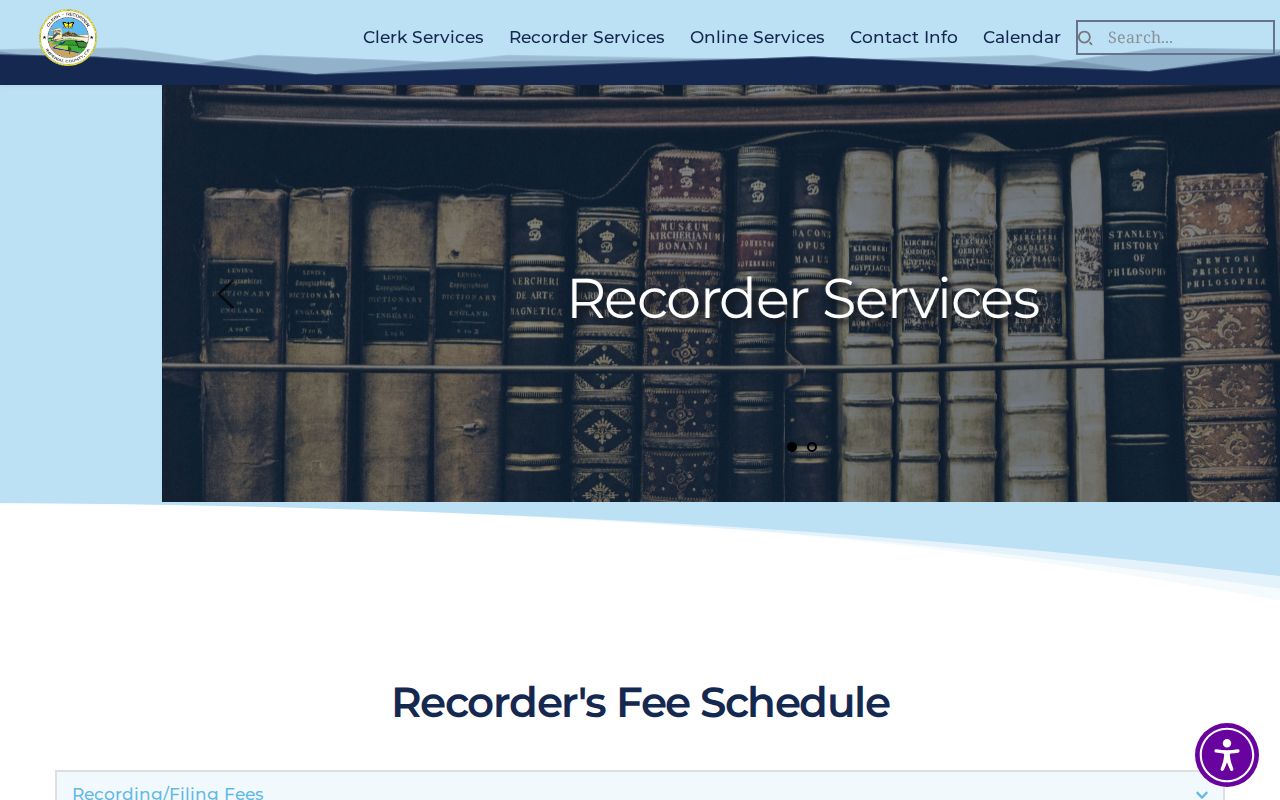
The recorder-services image gives the current access route for an El Centro previous residents search. It is the starting gate for the title trail, not a complete historical index.
Note: The Recorder will copy an identified instrument, but its staff do not conduct the index research that finds the document number.
El Centro's Parcel for Past Residents
Begin with today's physical address in Imperial County ParcelQuest Lite. The Assessor documents address or APN search, so save the APN, situs address, mailing address, legal description, and displayed owner fields before looking backward. The APN is the stable bridge when a street number changes or a mailing address points elsewhere. A parcel result identifies assessment information. It does not prove that the assessed owner lived in the house.
Compare the parcel map and recorded legal description. The city's official parcel inventory shows that one address can be associated with multiple APNs, such as 1464 W Adams Avenue appearing against more than one parcel. That example is a warning to verify the lot, block, and subdivision rather than chaining a surname to a street number alone.
El Centro Ownership Trail for Past Residents
Once the APN and current assessed owner are saved, search RecorderWorks by parcel number when indexed, then by the owner's surname or business name. Use a narrow date range and choose a deed grant, quitclaim, trustee deed, or other likely conveyance type. Open the document number and compare party role, recording date, APN, and legal description. The current owner is normally the grantee on an acquisition document, but the recorded instrument controls.
RecorderWorks supports name, document number, document type, parcel number, and book/page modes. Its name format is LAST NAME, FIRST NAME, with partial first-name matching available. The online index begins January 2, 1986. For a pre-cutoff transfer, visit the counter and inspect the older books or indexes yourself. The Clerk-Recorder does not conduct index research for a requester, so collect the identifier before ordering a copy.
Backtracking El Centro Past Residents
The backward loop is simple to describe and easy to misread. Open the current acquisition deed. Treat the seller or grantor as a possible earlier owner. Search that name as a grantee before the current deed date. Repeat only when the APN or legal description continues to match. Separate conveyances from deeds of trust, reconveyances, easements, affidavits, tax instruments, and unrelated same-name filings.
- Record document number, recording date, instrument type, parties, APN, book/page, and legal description.
- Search the prior grantor as a grantee in a limited earlier range.
- Open each possible deed and validate the lot, block, tract, or legal description.
- At the online cutoff, move to pre-digital indexes and deed books at the Clerk-Recorder office.
- Use a directory, census, obituary, or probate record to ask who may have occupied the site.
A deed proves a title transfer. It does not prove that the grantee moved into the home. Pair it with a dated directory entry, census line, homeowner-exemption clue, newspaper item, or other lawful evidence.
Note: A backward deed chain identifies title history; a separate dated source is needed to discuss past occupants.
El Centro Address Records for Past Residents
Address history fails when a modern street label is treated as the only identity key. A legal description is the recorded land description. A chain of title is the sequence of conveyances and related instruments connecting one owner to another. A grantor transfers an interest; a grantee receives it. A plat or recorded map supplies the lot and block context. These terms are practical tools for keeping an old address attached to the correct parcel.
- Grantor
- The party conveying an interest in the recorded instrument.
- Grantee
- The party receiving the interest in that instrument.
- Chain of title
- The linked sequence of recorded transfers for one parcel.
- Legal description
- The land description used to validate the parcel beyond a street label.
- APN
- The Assessor's identifier that helps connect map, assessment, and deed records.
If an address was retyped, renumbered, or described by an intersection, carry the APN and map reference across the gap. Research did not establish a comprehensive El Centro renumbering chronology, so a conversion date should not be invented.
El Centro Directory and Census Years
The verified Imperial Valley directory run provides 1926, 1928, 1930, and 1933 snapshots. Search the alphabetical section, copy the El Centro community label and street address, then inspect the abbreviation key. Pair the 1930 edition with the 1930 census. Directory entries can show a listed adult, spouse notation, occupation, and address. The census can add relationship, age, birthplace, immigration, language, occupation, and ownership or tenure fields for the enumeration date.
The collections themselves are described on the El Centro city directory page. This previous residents page uses them only as checkpoints in an address trail. If a person disappears, search the other eight communities in the regional volume before assuming departure. A missing entry can mean nonpublication, rural delivery, a changed surname, or a gap year.
The California State Archives inventory adds an earlier county layer: Imperial deeds from 1851 to 1907 and marriages from 1903 to 1923 are identified on microfilm. Because Imperial County was created in 1907, the earliest deed dates need predecessor-jurisdiction care. The 1910 census then supplies a post-incorporation household snapshot, while the library and newspaper can bridge the years between formal records.
Modern permits help date a remodel, addition, or change of use, but a project record names an applicant or owner and does not establish who slept at the address. Ask El Centro Community Development or the City Clerk for a focused address and APN request when that construction trail matters.
El Centro Probate Trail for Past Residents
Probate and obituary evidence can explain the final movement in a title chain. An affidavit of death, affidavit of heirship, trustee instrument, or probate order may connect a decedent to heirs or a trust when the recorded party and legal description match. An obituary may identify relatives, a funeral home, a church, a street, or an organization. The Library of Congress's digitized Imperial Valley Press offers a newspaper route from 1907 forward, but OCR must be checked against the page image.
No official El Centro online obituary index or complete cemetery-name database was verified. Use the City of El Centro's Evergreen Cemetery page as a starting point, then ask the cemetery or library about an interment record. A memorial entry is a lead. Confirm the death with the county or state certificate, a newspaper notice, a cemetery custodian, or a church register.
Cemetery Clues for El Centro Past Residents
Evergreen Cemetery can add a name, lifespan, family grouping, military clue, or marker location to a previous residents inquiry. Those facts can guide a search in the county death-record route, an obituary, probate, or a directory edition. They do not establish that the person occupied every El Centro address associated with the family or estate.
For the city-maintained starting point, see the City of El Centro Evergreen Cemetery page.
The cemetery image represents the memorial layer of an El Centro previous residents search. Use it to generate a question for the custodian, not to publish an unverified household history.
Note: A cemetery marker is a useful lead for a death or family trail, but the custodian certificate remains the stronger event record.
Limits of El Centro Previous Residents
Historical sources describe who was listed, who held title, who appeared in a household, or who was named in a death or probate notice. They rarely provide a full list of everyone who lived at one address. Unlisted adults, boarders, children, unregistered people, protected participants, and people missed by a compiler may not appear. A deed may show ownership without occupancy, and a directory may show occupancy without ownership.
House history boundary. Previous-resident research is suited to family history, parcel history, and personal archival work. Do not use a historical address trail to stalk, harass, threaten, or track a living person.
A strong conclusion states the source, edition or recording date, address or APN, and the fact actually shown. When a chain stops at an old index, note the gap and ask the Clerk-Recorder, library, archives, or newspaper custodian for the next access channel.
The request can be online, by mail, at a counter, through a library reference desk, or through a microfilm repository, depending on the record. Record which channel was tried so a later researcher does not mistake an access gap for an absent person.